Q
Powering the Future: Advantages of Electric Car Batteries
Electric car batteries, often hailed as the heart of electric vehicles (EVs), are a cornerstone of the sustainable transportation revolution. These advanced energy storage systems offer a multitude of advantages that are driving the transition to electric mobility and reshaping the automotive landscape.
1. Zero Tailpipe Emissions
Electric car batteries power the electric motors that drive the wheels. Unlike internal combustion engines in traditional vehicles, electric motors produce zero tailpipe emissions. This means no harmful pollutants, such as carbon monoxide or nitrogen oxides, are released into the air during operation. Cleaner air and reduced greenhouse gas emissions contribute to a healthier planet.
2. Energy Efficiency
Electric vehicles are renowned for their energy efficiency. Electric motors convert a significant portion of the energy from the battery into vehicle movement, with minimal energy loss as heat. In contrast, traditional combustion engines lose a substantial portion of energy as waste heat. This inherent efficiency results in lower energy consumption and reduced operating costs for EV owners.
3. Regenerative Braking
Electric car batteries enable regenerative braking, a technology that recovers energy during braking and deceleration. This not only enhances braking efficiency but also extends the battery’s range. It’s a win-win for both performance and energy conservation.
4. Reduced Maintenance Costs
Electric vehicles have fewer moving parts compared to internal combustion engine vehicles. This translates into fewer components that can wear out or break, reducing maintenance costs. EV owners typically save on expenses like oil changes, transmission repairs, and exhaust system maintenance.
5. Longevity and Durability
Modern electric car batteries are designed for longevity. Many manufacturers offer warranties covering the battery for eight years or more, providing peace of mind to owners. These warranties demonstrate the confidence in the durability of electric car batteries, which are often designed to outlast the typical ownership period of a vehicle.
6. Environmental Friendliness
The manufacturing of electric car batteries is becoming more environmentally friendly. Battery production processes aim to minimize waste and reduce environmental impact. Additionally, as recycling programs for batteries continue to expand, they help promote responsible disposal and the repurposing of materials.
7. Advanced Battery Management
Electric car batteries are equipped with advanced battery management systems. These systems optimize charging and discharging processes to extend the battery’s life and ensure safe and efficient operation.
8. Expanding Charging Infrastructure
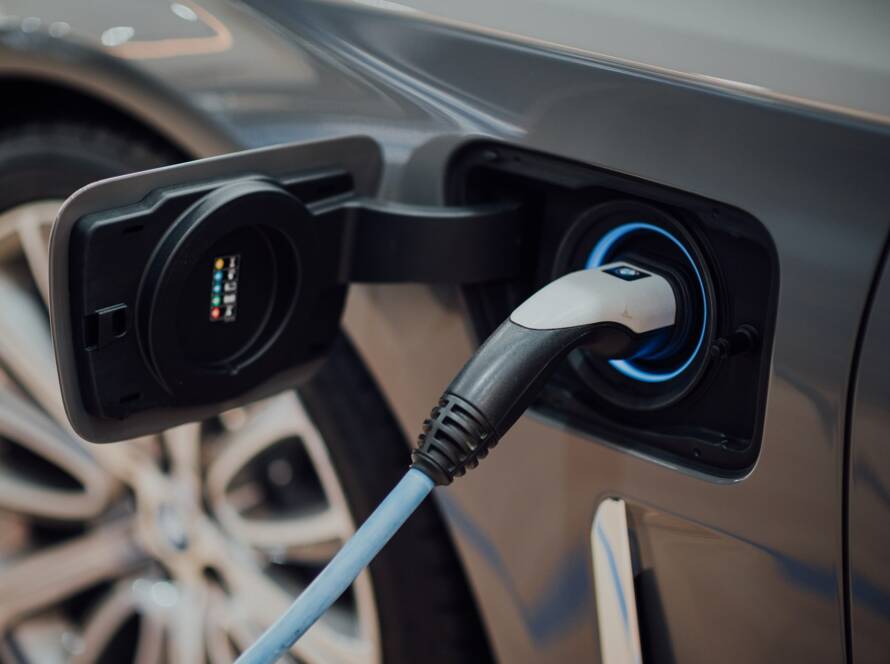
The growth of electric car batteries goes hand in hand with the expansion of charging infrastructure. An increasing number of public and private charging stations are available, providing convenient and accessible refueling options for EV owners.
9. Renewable Energy Integration
Electric car owners often have the opportunity to charge their vehicles with electricity generated from renewable sources. Integrating solar panels or wind turbines at home further reduces the carbon footprint of electric mobility.
Electric car batteries are at the forefront of the transition to cleaner and more efficient transportation. Their advantages extend beyond personal savings to encompass a collective effort to reduce emissions and environmental impact. As technology continues to evolve, electric car batteries will play a pivotal role in powering the future of sustainable mobility.
beatae vitae dicta sunt.
Electronic car batteries is becoming more environmentally friendly.
Piter Bowman
Creative approach to every project
The future is electric vehicles (EVs). As the world seeks cleaner, more sustainable transportation options, EVs are at the forefront of this transformation. With advancements in technology, expanding charging infrastructure, and growing environmental awareness, electric vehicles are poised to become the new norm, reducing emissions and shaping a greener, more promising future for personal mobility.