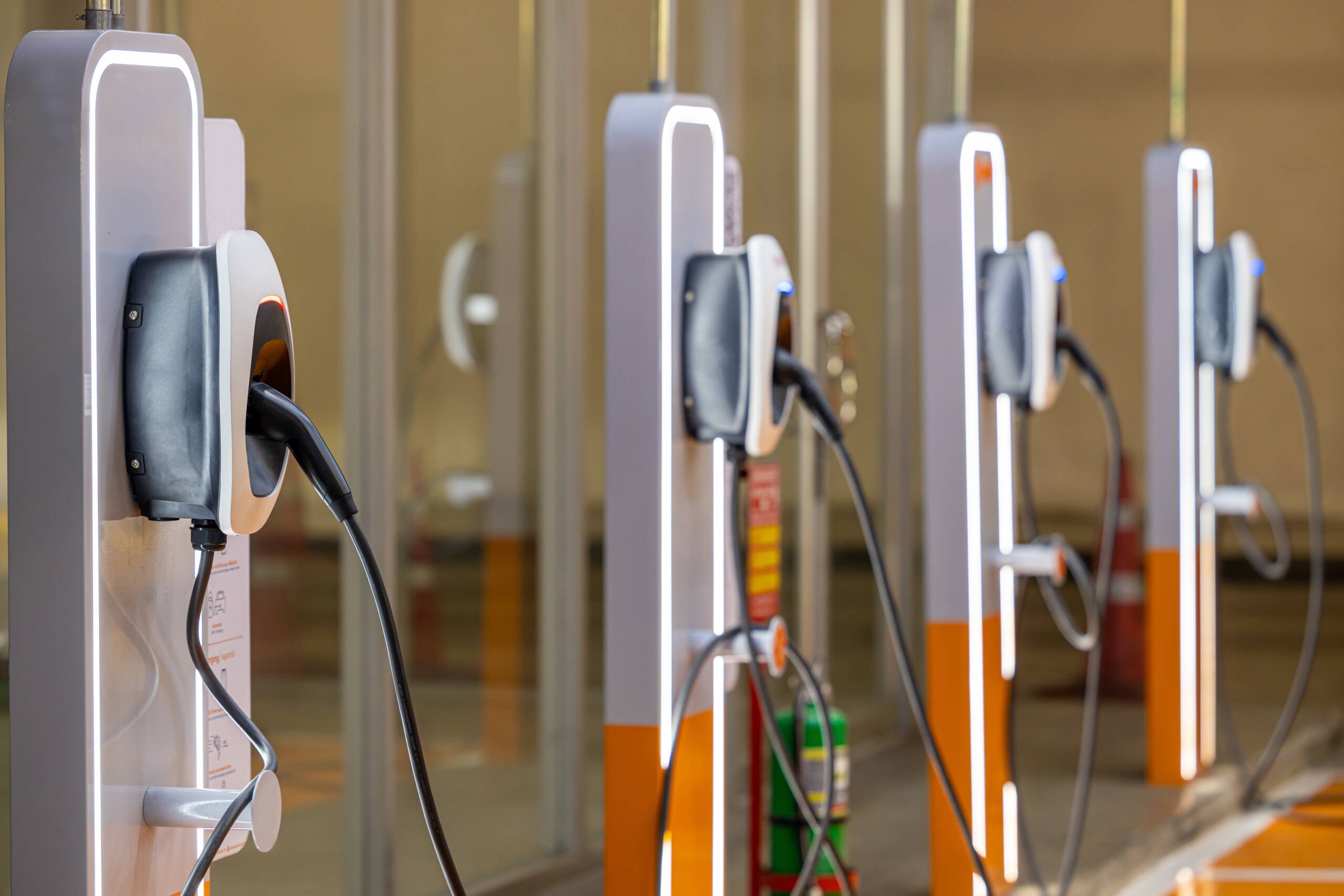
The emergence of electric vehicle (EV) charging stations is transforming the automotive landscape and challenging the traditional gas station model. Here’s how these new EV charging stations are gradually replacing gas stations:
- Clean and Sustainable Fuel: EV charging stations provide clean and sustainable energy, in contrast to gasoline and diesel pumps that emit pollutants and contribute to climate change. This aligns with the global shift towards sustainability and reduced carbon emissions.
- Reduced Operating Costs: EV owners enjoy lower operating costs compared to traditional vehicle owners. Electricity is often cheaper than gasoline, and maintenance costs for EVs are typically lower due to fewer moving parts.
- Convenience: Charging an EV is highly convenient. Many EV owners charge at home, while public charging stations are becoming increasingly accessible. EV drivers can plug in and charge while at work, shopping, or dining, reducing the need for dedicated refueling stops.
- Quiet and Pollution-Free: Charging stations create a quiet and pollution-free environment. EVs produce minimal noise and no tailpipe emissions, enhancing the overall experience for drivers and nearby residents.
- Long-Distance Travel: As charging infrastructure continues to expand, long-distance travel in electric vehicles is becoming more practical. Many major highways and travel routes are now equipped with fast-charging stations, minimizing range anxiety.
- Environmental Benefits: Charging stations play a vital role in reducing the carbon footprint of personal transportation. They contribute to cleaner air and help combat air pollution in urban areas.
- Technological Integration: EV charging stations often incorporate innovative features such as mobile apps, real-time data, and payment solutions, making the charging process user-friendly and efficient.
- Government Support: Many governments and municipalities are supporting the growth of EV charging infrastructure through incentives, subsidies, and regulatory measures, making it an attractive investment for businesses and organizations.
- Market Demand: The increasing demand for electric vehicles is driving the expansion of charging infrastructure. Automakers are investing in EV technology, signaling a shift away from internal combustion engines.
- Economic Opportunities: The growth of the EV charging sector offers economic opportunities for businesses involved in manufacturing, installation, and maintenance, contributing to job creation and economic growth.
While gas stations are still prevalent, the growing popularity and accessibility of EV charging stations are gradually reshaping the refueling landscape. As electric vehicles continue to gain traction and charging infrastructure expands, these charging stations are becoming a prominent alternative, emphasizing the shift towards cleaner and more sustainable transportation.