Q
Environment-Friendly Technology: The Promise of Electric Vehicles
In a world increasingly concerned about climate change and environmental sustainability, electric vehicles (EVs) have emerged as a shining beacon of hope. This powerful combination of innovation and eco-consciousness is revolutionizing the way we view personal transportation.
Zero Tailpipe Emissions
At the heart of every EV lies an electric motor, powered by electricity from a clean energy source. This means there are no tailpipe emissions spewing harmful pollutants into the atmosphere. The elimination of exhaust fumes significantly reduces air pollution and contributes to better air quality in our cities.
Reduced Carbon Footprint
Electric vehicles have a significantly smaller carbon footprint compared to traditional internal combustion engine (ICE) vehicles. Even when factoring in the emissions associated with electricity generation, EVs generally produce fewer greenhouse gases over their lifespan. The more an electric car is charged with renewable energy sources, such as solar or wind power, the greener its operation becomes.
Energy Efficiency
Electric motors are inherently efficient, converting a higher percentage of the energy they consume into vehicle movement. In contrast, ICE vehicles lose a substantial portion of their energy as waste heat. This inherent energy efficiency not only reduces fuel consumption but also conserves natural resources.
Noise Reduction
Electric vehicles are remarkably quiet, especially at lower speeds. This noise reduction helps mitigate noise pollution in urban areas, creating a quieter and more peaceful environment for both drivers and pedestrians.
Battery Innovations
Advancements in battery technology are making electric vehicles even more environmentally friendly. Lithium-ion batteries, the standard in most EVs, are becoming more energy-dense and cost-effective. Moreover, recycling programs for batteries are on the rise, promoting responsible disposal and repurposing of materials.
Renewable Energy Integration
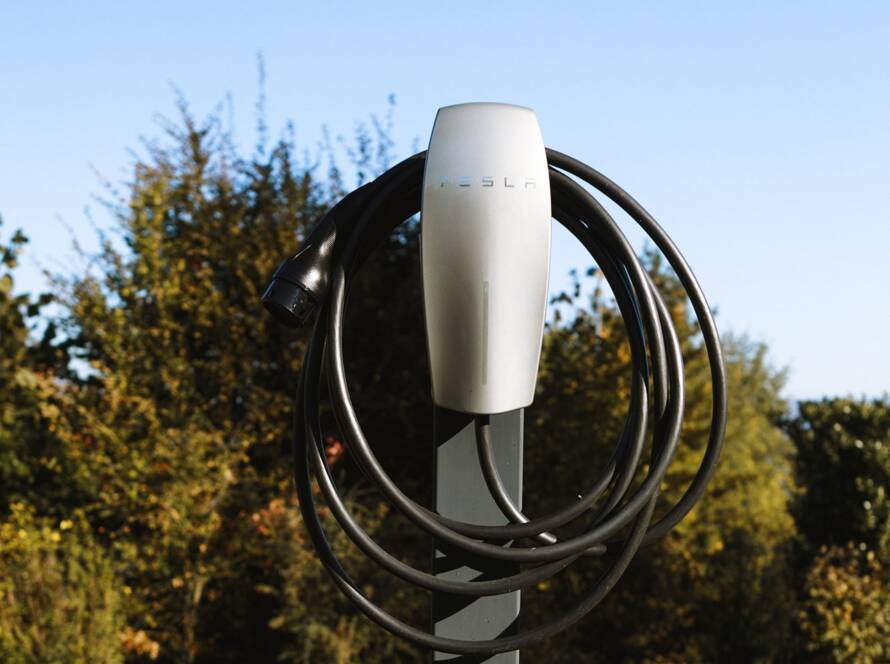
EV owners often have the flexibility to charge their vehicles with electricity generated from renewable sources. The integration of solar panels or wind turbines at home can further reduce the carbon footprint of electric mobility.

Government Initiatives
Many governments worldwide are implementing policies and incentives to encourage the adoption of electric vehicles. This includes tax incentives, rebates, and regulations that promote cleaner transportation options.
The Path Forward
Electric vehicles are not just a trend; they are a vital part of the solution to combat climate change and promote environmental sustainability. As technology continues to evolve and charging infrastructure expands, the environmental benefits of EVs become even more significant.
The adoption of electric vehicles represents a significant step towards a cleaner and more sustainable future. It’s a collective effort that drives us closer to a world where personal mobility and environmental responsibility coexist harmoniously. Electric vehicles are not just an innovation; they are a promise—a promise of a greener, cleaner, and more sustainable tomorrow.
Electric vehicles are not just a trend
Sustainable Materials
The production of EVs focuses on eco-friendly materials and manufacturing processes. This reduces the environmental impact of vehicle production and aligns with a broader commitment to sustainability.

The Path Forward
Electric vehicles are not just a trend; they are a vital part of the solution to combat climate change and promote environmental sustainability. As technology continues to evolve and charging infrastructure expands, the environmental benefits of EVs become even more significant.
The adoption of electric vehicles represents a significant step towards a cleaner and more sustainable future. It’s a collective effort that drives us closer to a world where personal mobility and environmental responsibility coexist harmoniously. Electric vehicles are not just an innovation; they are a promise—a promise of a greener, cleaner, and more sustainable tomorrow.