Q
Electric Vehicles with Removable Batteries: A Game Changer in Sustainable Transportation
Electric vehicles (EVs) have been heralded as a significant step towards a cleaner and more sustainable future for the automotive industry. However, as technology evolves, so do the ways in which we power these eco-friendly vehicles. One such innovative development is electric vehicles with removable batteries, a concept that promises to revolutionize the way we drive, charge, and maintain our cars.
The Power of Removability
Removable batteries in electric vehicles essentially offer a modular approach to energy storage. This means that instead of plugging your EV into a charging station, you can simply swap out the battery, similar to how we change batteries in portable electronics. This shift in charging methodology has the potential to address several key concerns in the world of electric mobility.
Convenience and Time-Saving
One of the most significant advantages of removable batteries is the remarkable time-saving aspect. Battery swaps can take a mere fraction of the time it takes to charge an EV at a standard charging station. This could be a game-changer for individuals on the go, businesses that rely on EV fleets, and long-haul truckers who require swift turnaround times.
Reducing “Range Anxiety”
Range anxiety, the fear of running out of battery power before reaching the destination, has been a psychological barrier for many potential EV buyers. Removable batteries have the potential to ease this anxiety by providing an instant energy refill at swapping stations. This could open up EV adoption to a broader range of consumers.
Extended Lifespan
Battery degradation over time is a concern for EV owners. With removable batteries, it becomes easier to replace aging or damaged units, effectively extending the lifespan of an electric vehicle. This not only saves money but also minimizes waste and promotes sustainability.
Sustainability and Recycling
The concept of removable batteries aligns with the principle of recycling and reusing. Batteries that are no longer fit for use in an EV can be repurposed for energy storage or other applications, reducing the environmental impact of battery disposal.
Challenges and Considerations
While the concept of removable batteries in EVs holds immense promise, there are challenges to overcome. Standardization of battery sizes and interfaces, infrastructure for swapping stations, and the development of robust battery management systems are some of the key considerations.
The Road Ahead
As with any disruptive technology, the adoption of electric vehicles with removable batteries will take time and effort. Manufacturers are gradually exploring this concept, and some startups have already introduced models that incorporate this technology.
In conclusion, electric vehicles with removable batteries are poised to become a significant catalyst in the transition to sustainable transportation. They offer convenience, reduced range anxiety, and the potential to extend the lifespan of electric vehicles. With further research, investment, and infrastructure development, we may witness a future where EVs equipped with removable batteries become the norm rather than the exception, ushering in a new era of cleaner and more accessible mobility.
The Heart of the vehicle
Electric vehicle (EV) batteries are the heart of an electric car, storing and providing the electrical energy necessary to power the vehicle’s electric motor. These advanced batteries are key to the EV’s functionality and have a significant impact on the overall performance and range of the vehicle. They are typically lithium-ion batteries, known for their high energy density and efficiency, and play a pivotal role in reducing carbon emissions and advancing sustainable transportation.
Q
Eco Events: Celebrating Sustainability and Fostering Environmental Consciousness
Eco events, also known as environmental or sustainable events, have emerged as powerful platforms for celebrating and promoting eco-friendly practices, sustainable living, and environmental consciousness. These gatherings have gained popularity worldwide, serving as catalysts for positive change and raising awareness about critical environmental issues.
A Platform for Advocacy
Eco events offer a unique opportunity for individuals, communities, businesses, and organizations to come together and advocate for a more sustainable and environmentally responsible way of life. These gatherings provide a platform to discuss, showcase, and implement initiatives that contribute to a healthier planet.
Showcasing Green Technologies
One of the key features of eco events is the exhibition of green technologies and sustainable practices. Participants get a firsthand look at innovations such as renewable energy solutions, energy-efficient appliances, eco-friendly transportation, waste reduction techniques, and more. These showcases not only educate attendees but also inspire them to incorporate such technologies into their daily lives.
Promoting Sustainable Living
Eco events emphasize the importance of sustainable living. Workshops, seminars, and interactive displays explore topics such as reducing waste, conserving water, choosing eco-friendly products, and adopting a mindful approach to consumption. These events encourage individuals to make more sustainable choices in their homes and communities.
Zero-Waste Initiatives
Eco events often implement zero-waste policies, aiming to minimize the environmental impact of the event itself. These policies may include composting, recycling, and the use of reusable materials. By adopting a zero-waste approach, eco events demonstrate that large gatherings can be conducted with minimal harm to the environment.
Community Engagement
Eco events foster a sense of community and shared responsibility. They bring together people with a common goal of environmental conservation, creating a network of like-minded individuals and organizations. This collective effort can lead to ongoing community initiatives that promote sustainability and protect local ecosystems.
Educational Opportunities
One of the primary objectives of eco events is education. They serve as educational hubs, offering workshops, presentations, and interactive experiences to inform attendees about the environmental challenges we face and the solutions available. This knowledge equips individuals with the tools to make informed decisions for a more sustainable future.
Advocating for Policy Change
Eco events are often used as platforms to advocate for policy change at the local, national, and international levels. They encourage governments and businesses to adopt eco-friendly practices, such as renewable energy adoption, carbon reduction commitments, and wildlife conservation efforts.

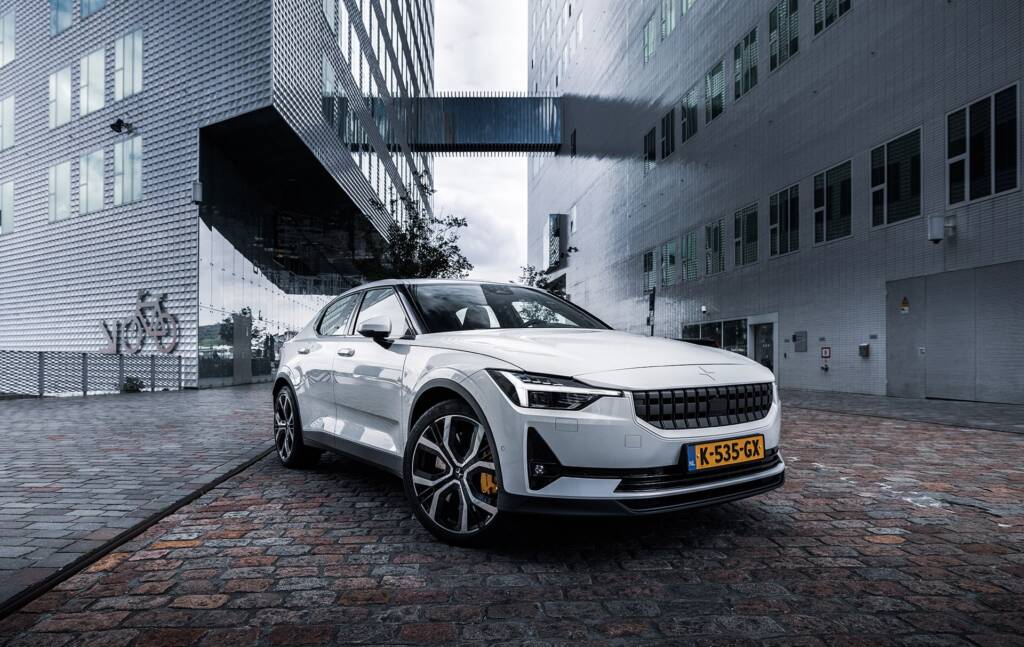
One of the primary objectives of eco events is education..
Inspiring Action
Ultimately, eco events aim to inspire action. Attendees leave with a sense of purpose, armed with the knowledge and motivation to implement positive changes in their lives and communities. The ripple effect of these gatherings can lead to a significant shift towards a more sustainable and eco-conscious society.
Eco events have evolved into powerful tools for promoting environmental stewardship and sustainability. They provide a forum for knowledge sharing, innovation, and community-building, fostering a brighter future where individuals and organizations collectively work towards a healthier, greener planet.

Celebrating Achievements
Eco events celebrate the achievements of individuals and organizations dedicated to environmental conservation. Awards, recognitions, and showcases of success stories inspire others to follow suit and make a positive impact.
QProin faucibus nec mauris a sodales, sed elementum mi tincidunt. Sed eget viverra egestas nisi in consequat. Fusce sodales augue a accumsan. Cras sollicitudin, ipsum eget blandit pulvinar. Integer tincidunt. Cras dapibus. Vivamus elementum semper nisi. Aenean vulputate eleifend tellus. Aenean leo ligula, porttitor eu, consequat vitae, eleifend ac, enim.
Sed ut perspiciatis, unde omnis iste natus error sit voluptatem accusantium doloremque laudantium, totam rem aperiam eaque ipsa, quae ab illo inventore veritatis et quasi architecto beatae vitae dicta sunt, explicabo.
At vero eos et accusam
Sed ut perspiciatis, unde omnis iste natus error sit voluptatem accusantium doloremque laudantium, totam rem aperiam eaque ipsa, quae ab illo inventore veritatis et quasi architecto beatae vitae dicta sunt.
Curabitur varius eros et lacus rutrum consequat. Mauris sollicitudin enim condimentum, luctus enim justo non, molestie nisl.
Piter Bowman
Ut perspiciatis, unde omnis iste natus error sit voluptatem accusantium doloremque laudantium, totam rem aperiam eaque ipsa, quae ab illo inventore veritatis et quasi architecto beatae vitae dicta sunt, explicabo.
Mi eget mauris pharetra et
Lorem ipsum dolor sit amet, consectetur adipisicing elit, sed do eiusmod tempor incididunt ut labore et dolore magna aliqua. Ut enim ad minim veniam, quis nostrud exercitation ullamco laboris nisi ut aliquip ex ea commodo consequat. Duis aute irure dolor in reprehenderit. Lorem ipsum dolor sit amet, consectetur adipiscing elit.
Etiam vitae leo et diam pellentesque porta. Sed eleifend ultricies risus, vel rutrum erat commodo ut. Praesent finibus congue euismod. Nullam scelerisque massa vel augue placerat, a tempor sem egestas. Curabitur placerat finibus lacus.
- Despite the initial higher cost of purchasing an EV, long-term savings on fuel and maintenance can make EV ownership more cost-effective
Electric vehicles (EVs) offer a range of advantages, making them an increasingly popular choice for environmentally conscious and cost-savvy consumers. Here are some of the key advantages of electric vehicles:
- Zero Emissions: EVs produce no tailpipe emissions, reducing air pollution and contributing to improved air quality. This makes them an eco-friendly choice, especially in urban areas where air pollution is a significant concern.
- Lower Operating Costs: Charging an EV is generally cheaper than refueling a gasoline or diesel vehicle. Additionally, EVs have fewer moving parts, which results in reduced maintenance costs over the long term.
- Energy Efficiency: Electric motors are highly efficient, converting a larger percentage of energy from the power source into vehicle movement. This results in less energy waste and lower overall energy consumption.
- Quiet Operation: EVs are quieter than traditional internal combustion engine vehicles, creating a more peaceful and less noisy environment, which is particularly beneficial in urban areas.
- Instant Torque: Electric motors provide instant torque, leading to brisk acceleration and a responsive driving experience. This feature makes EVs enjoyable to drive and provides a sporty feel.
- Reduced Carbon Footprint: When charged with electricity from renewable sources, EVs can have a significantly lower carbon footprint over their lifetime compared to traditional vehicles. This helps combat climate change.
- Home Charging: Many EV owners can charge their vehicles at home using standard electrical outlets or dedicated charging equipment, making charging convenient and accessible.
- Long-Term Savings: Despite the initial higher cost of purchasing an EV, long-term savings on fuel and maintenance can make EV ownership more cost-effective.
- Government Incentives: Many governments offer incentives such as tax credits, rebates, and reduced registration fees for EV owners, making electric vehicles more affordable.
- Range Expansion: Advances in battery technology have led to an increase in the driving range of EVs, alleviating concerns about running out of power during long journeys.
- Silent and Smooth Ride: EVs offer a quieter, smoother, and vibration-free ride due to the absence of noisy internal combustion engines.
- Reduced Dependency on Fossil Fuels: EVs reduce our reliance on finite fossil fuels, enhancing energy security and reducing the impact of price fluctuations.
- Supporting Technological Innovation: The growth of the EV market drives investment in battery technology and renewable energy sources, spurring innovation and job creation.
- Enhanced Safety Features: Many EVs come equipped with advanced safety features and autonomous driving capabilities, enhancing driver and passenger safety.
- Reduced Oil Changes: EVs do not require regular oil changes, which is a cost-saving and environmentally friendly aspect of ownership.
Electric vehicles represent a promising and sustainable solution for modern transportation, offering economic, environmental, and practical benefits. As technology continues to evolve and charging infrastructure expands, the advantages of electric vehicles are becoming increasingly compelling for consumers and society as a whole.
- Despite the initial higher cost of purchasing an EV, long-term savings on fuel and maintenance can make EV ownership more cost-effective
Electric vehicles (EVs) offer a range of advantages, making them an increasingly popular choice for environmentally conscious and cost-savvy consumers. Here are some of the key advantages of electric vehicles:
- Zero Emissions: EVs produce no tailpipe emissions, reducing air pollution and contributing to improved air quality. This makes them an eco-friendly choice, especially in urban areas where air pollution is a significant concern.
- Lower Operating Costs: Charging an EV is generally cheaper than refueling a gasoline or diesel vehicle. Additionally, EVs have fewer moving parts, which results in reduced maintenance costs over the long term.
- Energy Efficiency: Electric motors are highly efficient, converting a larger percentage of energy from the power source into vehicle movement. This results in less energy waste and lower overall energy consumption.
- Quiet Operation: EVs are quieter than traditional internal combustion engine vehicles, creating a more peaceful and less noisy environment, which is particularly beneficial in urban areas.
- Instant Torque: Electric motors provide instant torque, leading to brisk acceleration and a responsive driving experience. This feature makes EVs enjoyable to drive and provides a sporty feel.
- Reduced Carbon Footprint: When charged with electricity from renewable sources, EVs can have a significantly lower carbon footprint over their lifetime compared to traditional vehicles. This helps combat climate change.
- Home Charging: Many EV owners can charge their vehicles at home using standard electrical outlets or dedicated charging equipment, making charging convenient and accessible.
- Long-Term Savings: Despite the initial higher cost of purchasing an EV, long-term savings on fuel and maintenance can make EV ownership more cost-effective.
- Government Incentives: Many governments offer incentives such as tax credits, rebates, and reduced registration fees for EV owners, making electric vehicles more affordable.
- Range Expansion: Advances in battery technology have led to an increase in the driving range of EVs, alleviating concerns about running out of power during long journeys.
- Silent and Smooth Ride: EVs offer a quieter, smoother, and vibration-free ride due to the absence of noisy internal combustion engines.
- Reduced Dependency on Fossil Fuels: EVs reduce our reliance on finite fossil fuels, enhancing energy security and reducing the impact of price fluctuations.
- Supporting Technological Innovation: The growth of the EV market drives investment in battery technology and renewable energy sources, spurring innovation and job creation.
- Enhanced Safety Features: Many EVs come equipped with advanced safety features and autonomous driving capabilities, enhancing driver and passenger safety.
- Reduced Oil Changes: EVs do not require regular oil changes, which is a cost-saving and environmentally friendly aspect of ownership.
Electric vehicles represent a promising and sustainable solution for modern transportation, offering economic, environmental, and practical benefits. As technology continues to evolve and charging infrastructure expands, the advantages of electric vehicles are becoming increasingly compelling for consumers and society as a whole.
Q
Electric Vehicles of the New Generation: Driving Toward a Sustainable Future
The automotive industry is undergoing a transformative shift, and at the forefront of this revolution are electric vehicles (EVs) of the new generation. These innovative machines are redefining the way we view transportation, offering a sustainable alternative to traditional internal combustion engine vehicles. As they continue to evolve, they are poised to shape the future of mobility.
The Power of Electric Propulsion
Electric vehicles of the new generation are characterized by their advanced electric propulsion systems. These systems are highly efficient, converting electrical energy into motion with remarkable precision. As a result, new-generation EVs offer improved acceleration, quieter rides, and lower energy consumption, making them increasingly attractive to consumers.
Range and Battery Technology
One of the most significant advancements in new-generation EVs is the remarkable improvement in battery technology. These vehicles boast larger, more energy-dense batteries that translate into extended ranges on a single charge. In addition, rapid developments in charging infrastructure have considerably reduced charging times, making long-distance travel more accessible and convenient.
Sustainability at the Core
Sustainability is a fundamental focus of these vehicles, and it extends far beyond zero tailpipe emissions. The production of new-generation EVs emphasizes the use of eco-friendly materials, reducing waste, and lowering the carbon footprint. Moreover, their energy-efficient operation minimizes greenhouse gas emissions, contributing to a cleaner and more sustainable planet.
Innovative Features
New-generation EVs come equipped with an array of innovative features. Autonomous driving technology, for instance, is increasingly becoming a standard feature in many electric vehicles, promising safer and more convenient journeys. Connectivity, infotainment systems, and smartphone integration provide an enhanced user experience. Moreover, cutting-edge materials and design elements offer both aesthetic and functional advantages.
Diversity in Vehicle Types
These EVs come in various shapes and sizes, catering to a wide range of consumer preferences. From compact city cars to rugged SUVs, elegant sedans, and even high-performance sports cars, the new generation of electric vehicles provides options for every lifestyle and need. This diversity in vehicle types ensures that EVs are no longer niche vehicles but a practical choice for a broad spectrum of drivers.
Charging and Infrastructure
The proliferation of EVs has led to a significant expansion of charging infrastructure. Charging stations are more accessible, and technology is evolving to provide faster and more efficient charging. Many new-generation EVs are also equipped for bi-directional charging, enabling them to serve as mobile power sources or contribute to grid stabilization.
The Road Ahead
Electric vehicles of the new generation are not merely a trend but a pivotal force in shaping the future of transportation. As technology continues to advance, prices become more competitive, and government incentives promote electric mobility, the adoption of EVs is set to surge. In the coming years, we can expect EVs to play an increasingly vital role in reducing emissions, mitigating climate change, and ultimately providing a cleaner and more sustainable way of moving from point A to point B.
The automotive landscape is changing, and electric vehicles of the new generation are leading the charge toward a greener and more promising tomorrow. As their popularity continues to grow, we can anticipate a future where electric mobility becomes the norm, heralding a cleaner, quieter, and more sustainable era of transportation.
QProin faucibus nec mauris a sodales, sed elementum mi tincidunt. Sed eget viverra egestas nisi in consequat. Fusce sodales augue a accumsan. Cras sollicitudin, ipsum eget blandit pulvinar. Integer tincidunt. Cras dapibus. Vivamus elementum semper nisi. Aenean vulputate eleifend tellus. Aenean leo ligula, porttitor eu, consequat vitae, eleifend ac, enim.
Sed ut perspiciatis, unde omnis iste natus error sit voluptatem accusantium doloremque laudantium, totam rem aperiam eaque ipsa, quae ab illo inventore veritatis et quasi architecto beatae vitae dicta sunt, explicabo.
At vero eos et accusam
Sed ut perspiciatis, unde omnis iste natus error sit voluptatem accusantium doloremque laudantium, totam rem aperiam eaque ipsa, quae ab illo inventore veritatis et quasi architecto beatae vitae dicta sunt.
Curabitur varius eros et lacus rutrum consequat. Mauris sollicitudin enim condimentum, luctus enim justo non, molestie nisl.
Piter Bowman
Ut perspiciatis, unde omnis iste natus error sit voluptatem accusantium doloremque laudantium, totam rem aperiam eaque ipsa, quae ab illo inventore veritatis et quasi architecto beatae vitae dicta sunt, explicabo.
Creative approach to every project
Lorem ipsum dolor sit amet, consectetur adipisicing elit, sed do eiusmod tempor incididunt ut labore et dolore magna aliqua. Ut enim ad minim veniam, quis nostrud exercitation ullamco laboris nisi ut aliquip ex ea commodo consequat. Duis aute irure dolor in reprehenderit. Lorem ipsum dolor sit amet, consectetur adipiscing elit.
Etiam vitae leo et diam pellentesque porta. Sed eleifend ultricies risus, vel rutrum erat commodo ut. Praesent finibus congue euismod. Nullam scelerisque massa vel augue placerat, a tempor sem egestas. Curabitur placerat finibus lacus.
Q
Powering the Future: Advantages of Electric Car Batteries
Electric car batteries, often hailed as the heart of electric vehicles (EVs), are a cornerstone of the sustainable transportation revolution. These advanced energy storage systems offer a multitude of advantages that are driving the transition to electric mobility and reshaping the automotive landscape.
1. Zero Tailpipe Emissions
Electric car batteries power the electric motors that drive the wheels. Unlike internal combustion engines in traditional vehicles, electric motors produce zero tailpipe emissions. This means no harmful pollutants, such as carbon monoxide or nitrogen oxides, are released into the air during operation. Cleaner air and reduced greenhouse gas emissions contribute to a healthier planet.
2. Energy Efficiency
Electric vehicles are renowned for their energy efficiency. Electric motors convert a significant portion of the energy from the battery into vehicle movement, with minimal energy loss as heat. In contrast, traditional combustion engines lose a substantial portion of energy as waste heat. This inherent efficiency results in lower energy consumption and reduced operating costs for EV owners.
3. Regenerative Braking
Electric car batteries enable regenerative braking, a technology that recovers energy during braking and deceleration. This not only enhances braking efficiency but also extends the battery’s range. It’s a win-win for both performance and energy conservation.
4. Reduced Maintenance Costs
Electric vehicles have fewer moving parts compared to internal combustion engine vehicles. This translates into fewer components that can wear out or break, reducing maintenance costs. EV owners typically save on expenses like oil changes, transmission repairs, and exhaust system maintenance.
5. Longevity and Durability
Modern electric car batteries are designed for longevity. Many manufacturers offer warranties covering the battery for eight years or more, providing peace of mind to owners. These warranties demonstrate the confidence in the durability of electric car batteries, which are often designed to outlast the typical ownership period of a vehicle.
6. Environmental Friendliness
The manufacturing of electric car batteries is becoming more environmentally friendly. Battery production processes aim to minimize waste and reduce environmental impact. Additionally, as recycling programs for batteries continue to expand, they help promote responsible disposal and the repurposing of materials.
7. Advanced Battery Management
Electric car batteries are equipped with advanced battery management systems. These systems optimize charging and discharging processes to extend the battery’s life and ensure safe and efficient operation.
8. Expanding Charging Infrastructure
The growth of electric car batteries goes hand in hand with the expansion of charging infrastructure. An increasing number of public and private charging stations are available, providing convenient and accessible refueling options for EV owners.
9. Renewable Energy Integration
Electric car owners often have the opportunity to charge their vehicles with electricity generated from renewable sources. Integrating solar panels or wind turbines at home further reduces the carbon footprint of electric mobility.
Electric car batteries are at the forefront of the transition to cleaner and more efficient transportation. Their advantages extend beyond personal savings to encompass a collective effort to reduce emissions and environmental impact. As technology continues to evolve, electric car batteries will play a pivotal role in powering the future of sustainable mobility.
beatae vitae dicta sunt.
Electronic car batteries is becoming more environmentally friendly.
Piter Bowman
Creative approach to every project
The future is electric vehicles (EVs). As the world seeks cleaner, more sustainable transportation options, EVs are at the forefront of this transformation. With advancements in technology, expanding charging infrastructure, and growing environmental awareness, electric vehicles are poised to become the new norm, reducing emissions and shaping a greener, more promising future for personal mobility.
Q
Electric Car Maintenance: A New Era of Simplified Care
Electric cars, often heralded for their environmental benefits and innovative technology, also bring a new era of simplified maintenance. Compared to traditional internal combustion engine (ICE) vehicles, electric cars require fewer trips to the garage and fewer moving parts to worry about. Here’s a closer look at the streamlined maintenance of electric cars.
Fewer Moving Parts
One of the standout advantages of electric cars is their simplified mechanical makeup. Unlike ICE vehicles with complex engines, transmissions, and exhaust systems, electric vehicles have fewer moving parts. The heart of an electric car, the electric motor, consists of far fewer components than an internal combustion engine. Fewer parts mean fewer potential points of failure and less wear and tear.
Reduced Wear and Tear
Electric cars generate power by spinning an electric motor, which translates into less wear and tear compared to the constant combustion and reciprocating motion in ICE engines. As a result, electric cars typically require less maintenance to keep them running smoothly.
No Oil Changes
One of the most notable differences in maintenance is the absence of oil changes in electric cars. ICE vehicles require regular oil changes to keep the engine lubricated and functioning correctly. In contrast, electric cars don’t need oil changes, saving both time and money.
Battery Maintenance
The most critical component in an electric car is the battery pack. Modern electric vehicles come with warranties that cover the battery for an extended period, often eight years or more. While battery degradation over time is a concern, it’s typically a slow process, and the cost of battery replacement is gradually decreasing.
Software Updates
Electric cars are often equipped with advanced software systems that can be updated over the air. These updates can improve performance, add new features, and address potential issues without the need for a visit to the service center.
Tire Maintenance and Suspension
Regular tire maintenance and suspension checks are still essential for electric cars, as they are for any vehicle. These aspects of maintenance remain unchanged.
The Future of Simplified Maintenance
Electric cars are not only kinder to the environment; they’re also kinder to your wallet when it comes to maintenance. The streamlined nature of these vehicles, with fewer parts and reduced wear and tear, means less time and money spent on upkeep. As electric cars continue to gain popularity, the future of automotive maintenance is looking simpler and more cost-effective, promising a new era of hassle-free driving and eco-conscious living.
Software Updates
Electric cars are often equipped with advanced software systems that can be updated over the air. These updates can improve performance, add new features, and address potential issues without the need for a visit to the service center.
Tire Maintenance and Suspension
Regular tire maintenance and suspension checks are still essential for electric cars, as they are for any vehicle. These aspects of maintenance remain unchanged.
Modern electric vehicles come with warranties that cover the battery for an extended period, often eight years or more..
Regenerative Braking
Many electric cars use regenerative braking, a technology that recovers energy during braking and deceleration. This reduces wear on the brake pads and increases their longevity. In some cases, owners may find that they rarely need to replace brake pads in electric cars.
Q
Leasing a Brand New Electric Car: The Future of Smart Mobility
In the fast-evolving world of automotive innovation, leasing a brand new electric car has emerged as a game-changing choice for those looking to embrace eco-friendly and cutting-edge transportation. It offers a host of benefits that not only make the transition to electric mobility seamless but also future-proofs your ride.
Affordability and Accessibility
Leasing an electric car opens the door to a world of possibilities at an affordable price. While the upfront cost of buying an electric vehicle (EV) might seem steep, leasing offers a more budget-friendly alternative. Monthly lease payments are often lower than loan payments, making it easier for more people to access the latest EV technology.
No Depreciation Worries
One of the primary advantages of leasing an electric car is the freedom from worrying about depreciation. Unlike owning a car, where the value depreciates over time, lessees can enjoy a brand-new EV without concerns about its long-term resale value. This provides a sense of financial security and peace of mind.
Lower Maintenance Costs
Electric cars have fewer moving parts than traditional internal combustion engine vehicles, which translates to lower maintenance costs. With fewer components to wear out, you’ll spend less on repairs and replacements, making your leasing experience hassle-free.
Environmental Impact
Leasing an electric car reduces your carbon footprint. EVs produce zero tailpipe emissions, contributing to cleaner air and a healthier environment. By choosing a brand new electric car, you’re actively supporting sustainability and helping combat climate change.

Charging Convenience
Leasing also aligns with the growing availability of charging infrastructure. As electric vehicle adoption continues to rise, more public and home charging options become accessible. This ensures that your leasing experience remains convenient and stress-free when it comes to recharging your EV.
The Future of Smart Mobility
Leasing a brand new electric car is not just a short-term choice; it’s a forward-looking decision that embraces the future of smart mobility. It empowers you to stay ahead of the curve in terms of technology, sustainability, and financial prudence.
As the world transitions towards cleaner and more efficient transportation solutions, leasing a brand new electric car has emerged as a winning proposition. It brings affordability, cutting-edge technology, and environmental responsibility together, offering an exciting glimpse into the future of personal mobility. With electric cars becoming more accessible and practical, leasing an EV is the smart choice for those who want to drive with both innovation and sustainability in mind.
This ensures that your leasing experience remains convenient and stress-free when it comes to recharging your EV.
Up-to-Date Technology
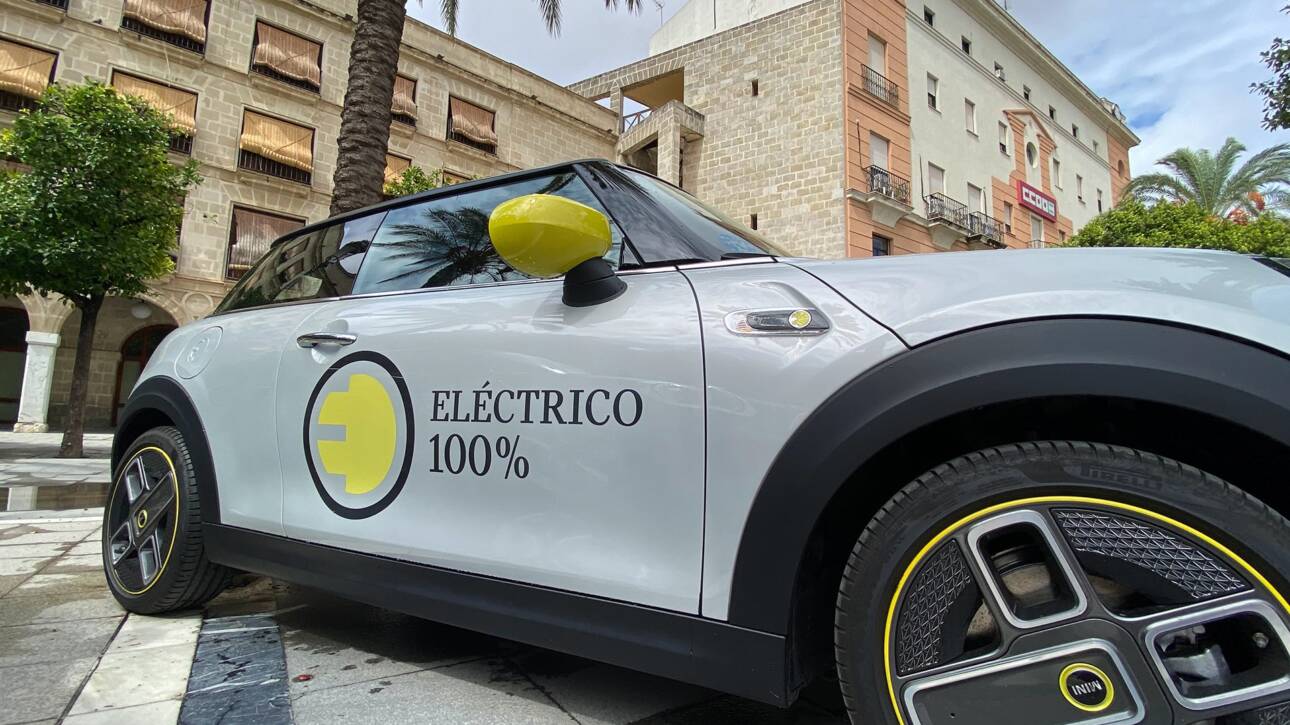
Leasing allows you to stay on the cutting edge of automotive technology. Every few years, when your lease term ends, you can transition to the latest model with the most advanced features, improved range, and enhanced performance. This means you’re continually driving a state-of-the-art vehicle.
Q
Environment-Friendly Technology: The Promise of Electric Vehicles
In a world increasingly concerned about climate change and environmental sustainability, electric vehicles (EVs) have emerged as a shining beacon of hope. This powerful combination of innovation and eco-consciousness is revolutionizing the way we view personal transportation.
Zero Tailpipe Emissions
At the heart of every EV lies an electric motor, powered by electricity from a clean energy source. This means there are no tailpipe emissions spewing harmful pollutants into the atmosphere. The elimination of exhaust fumes significantly reduces air pollution and contributes to better air quality in our cities.
Reduced Carbon Footprint
Electric vehicles have a significantly smaller carbon footprint compared to traditional internal combustion engine (ICE) vehicles. Even when factoring in the emissions associated with electricity generation, EVs generally produce fewer greenhouse gases over their lifespan. The more an electric car is charged with renewable energy sources, such as solar or wind power, the greener its operation becomes.
Energy Efficiency
Electric motors are inherently efficient, converting a higher percentage of the energy they consume into vehicle movement. In contrast, ICE vehicles lose a substantial portion of their energy as waste heat. This inherent energy efficiency not only reduces fuel consumption but also conserves natural resources.
Noise Reduction
Electric vehicles are remarkably quiet, especially at lower speeds. This noise reduction helps mitigate noise pollution in urban areas, creating a quieter and more peaceful environment for both drivers and pedestrians.
Battery Innovations
Advancements in battery technology are making electric vehicles even more environmentally friendly. Lithium-ion batteries, the standard in most EVs, are becoming more energy-dense and cost-effective. Moreover, recycling programs for batteries are on the rise, promoting responsible disposal and repurposing of materials.
Renewable Energy Integration
EV owners often have the flexibility to charge their vehicles with electricity generated from renewable sources. The integration of solar panels or wind turbines at home can further reduce the carbon footprint of electric mobility.
Government Initiatives
Many governments worldwide are implementing policies and incentives to encourage the adoption of electric vehicles. This includes tax incentives, rebates, and regulations that promote cleaner transportation options.
The Path Forward
Electric vehicles are not just a trend; they are a vital part of the solution to combat climate change and promote environmental sustainability. As technology continues to evolve and charging infrastructure expands, the environmental benefits of EVs become even more significant.
The adoption of electric vehicles represents a significant step towards a cleaner and more sustainable future. It’s a collective effort that drives us closer to a world where personal mobility and environmental responsibility coexist harmoniously. Electric vehicles are not just an innovation; they are a promise—a promise of a greener, cleaner, and more sustainable tomorrow.
Electric vehicles are not just a trend
Sustainable Materials
The production of EVs focuses on eco-friendly materials and manufacturing processes. This reduces the environmental impact of vehicle production and aligns with a broader commitment to sustainability.
The Path Forward
Electric vehicles are not just a trend; they are a vital part of the solution to combat climate change and promote environmental sustainability. As technology continues to evolve and charging infrastructure expands, the environmental benefits of EVs become even more significant.
The adoption of electric vehicles represents a significant step towards a cleaner and more sustainable future. It’s a collective effort that drives us closer to a world where personal mobility and environmental responsibility coexist harmoniously. Electric vehicles are not just an innovation; they are a promise—a promise of a greener, cleaner, and more sustainable tomorrow.
Q
Driving Environmental Change: EVs Leading the Way with Multiple Eco Events
Electric vehicles (EVs) have become a symbol of sustainable transportation and are not only leading the charge towards a greener future but also playing a pivotal role in environmental events and initiatives. Here’s a glimpse of how EVs are making a positive impact through a series of eco-conscious gatherings and activities.
1. Green Drive Parades
Many cities are witnessing the rise of “Green Drive” parades, where a convoy of electric vehicles takes to the streets, showcasing the benefits of EVs and promoting eco-friendly transportation. These events serve as a powerful visual reminder of the shift towards cleaner mobility.
2. Electric Car Expos
Electric car expos are becoming increasingly popular, attracting both car enthusiasts and environmental advocates. These expos offer a platform for showcasing the latest EV models, technologies, and innovations, while also educating the public on the environmental advantages of electric mobility.
3. Zero Emissions Challenges
Across the globe, zero-emission challenges are being organized, where EV drivers compete to achieve the longest distance on a single charge. These challenges highlight the remarkable range and efficiency of electric vehicles and emphasize their role in reducing carbon emissions.
4. Electric Vehicle Rallies
Electric vehicle rallies have gained momentum, bringing together EV owners to participate in long-distance journeys and races. These events demonstrate the reliability, performance, and environmental benefits of electric mobility while fostering a sense of community among participants.
5. Ride-and-Drive Initiatives
Environmental events often feature “ride-and-drive” opportunities, allowing attendees to experience the thrill of driving an electric vehicle. These experiences offer a firsthand understanding of the quiet, emission-free, and energy-efficient nature of EVs.
6. Clean Energy Showcases
EVs are frequently featured at clean energy showcases and environmental fairs, where they are presented as an integral part of a sustainable energy ecosystem. These events underscore the role of electric vehicles in reducing dependence on fossil fuels.
7. Collaboration with Renewable Energy
Many environmental events integrate electric vehicles with renewable energy sources. Charging stations powered by solar panels and wind turbines highlight the synergy between clean energy and electric mobility.
8. Promoting Green Initiatives
EV manufacturers, environmental organizations, and government agencies often collaborate to promote green initiatives, such as tree planting, recycling drives, and carbon offset programs. These activities showcase a holistic approach to environmental stewardship.
7. Collaboration with Renewable Energy
Many environmental events integrate electric vehicles with renewable energy sources. Charging stations powered by solar panels and wind turbines highlight the synergy between clean energy and electric mobility.
Curabitur varius eros et lacus rutrum consequat. Mauris sollicitudin enim condimentum, luctus justo non, molestie nisl.
8. Promoting Green Initiatives
EV manufacturers, environmental organizations, and government agencies often collaborate to promote green initiatives, such as tree planting, recycling drives, and carbon offset programs. These activities showcase a holistic approach to environmental stewardship.
The Future of Eco-Friendly Transportation
Electric vehicles are not merely a mode of transportation; they have become ambassadors of environmental responsibility. Through their participation in numerous eco events, EVs are actively fostering awareness and inspiring action toward a more sustainable and eco-friendly future. As electric vehicles continue to gain popularity, they will undoubtedly play a central role in shaping the environmental landscape, offering a cleaner and greener way forward.